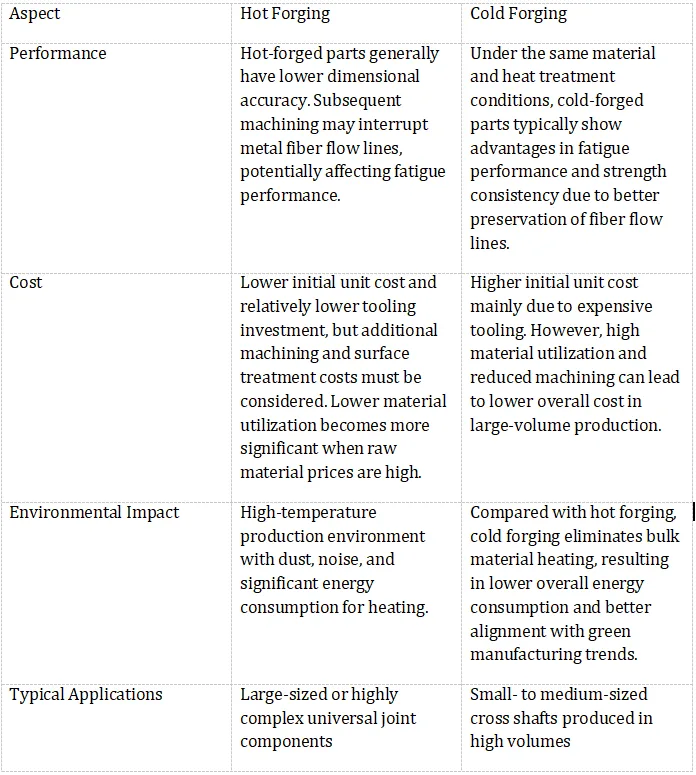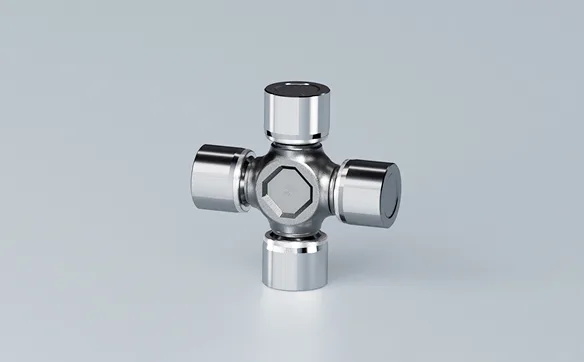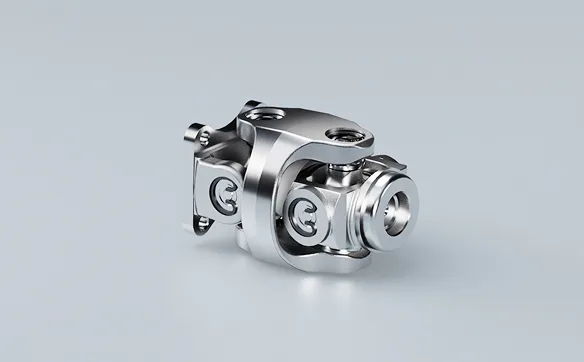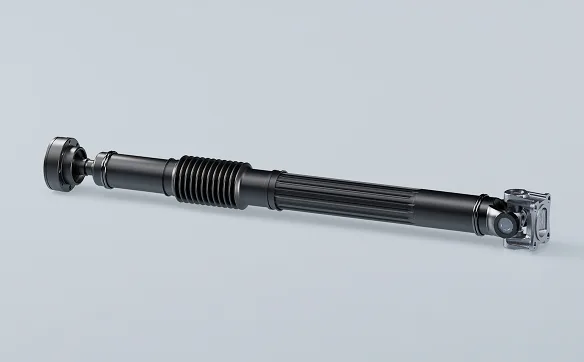
Hot forging and cold forging are the two main manufacturing processes used for universal joints. The most significant difference between them lies in the processing temperature.
Hot forging refers to heating steel to a high temperature (typically around 900–1200°C), bringing the material into a highly plastic state (usually within the austenitic range), which significantly reduces deformation resistance and facilitates forming.
Cold forging, on the other hand, is performed at room temperature or under low-temperature conditions (typically without preheating the raw material), relying on high pressure to induce plastic deformation.
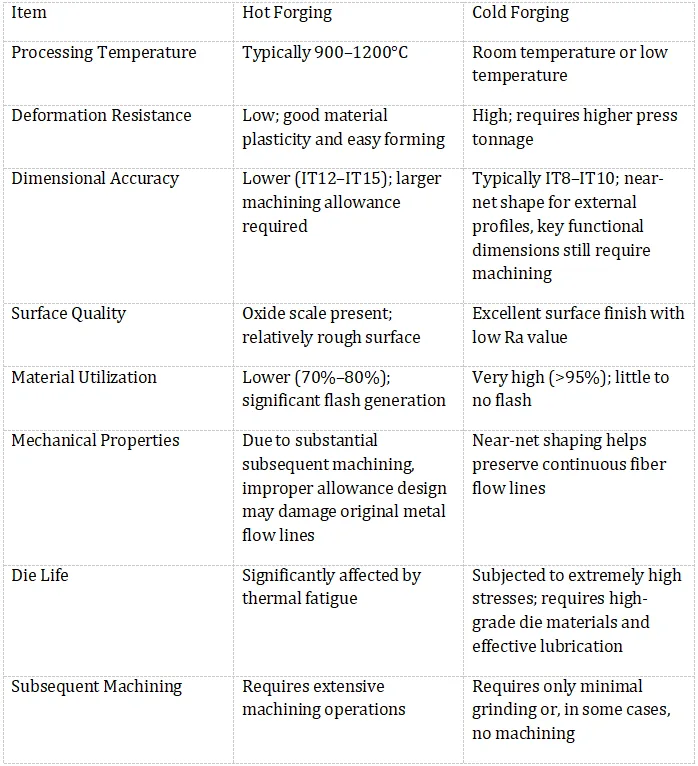
Comprehensive Comparison from a Manufacturing Perspective
Comparison from a Purchaser’s Perspective
Conclusion
If your application requires large or highly complex universal joint components and the production volume is relatively low, hot forging offers clear advantages.
If higher mechanical performance, large production volumes, and stronger environmental considerations are priorities, cold forging is the more suitable choice.
As a compromise solution between these two processes, warm forging may also be considered in certain applications.
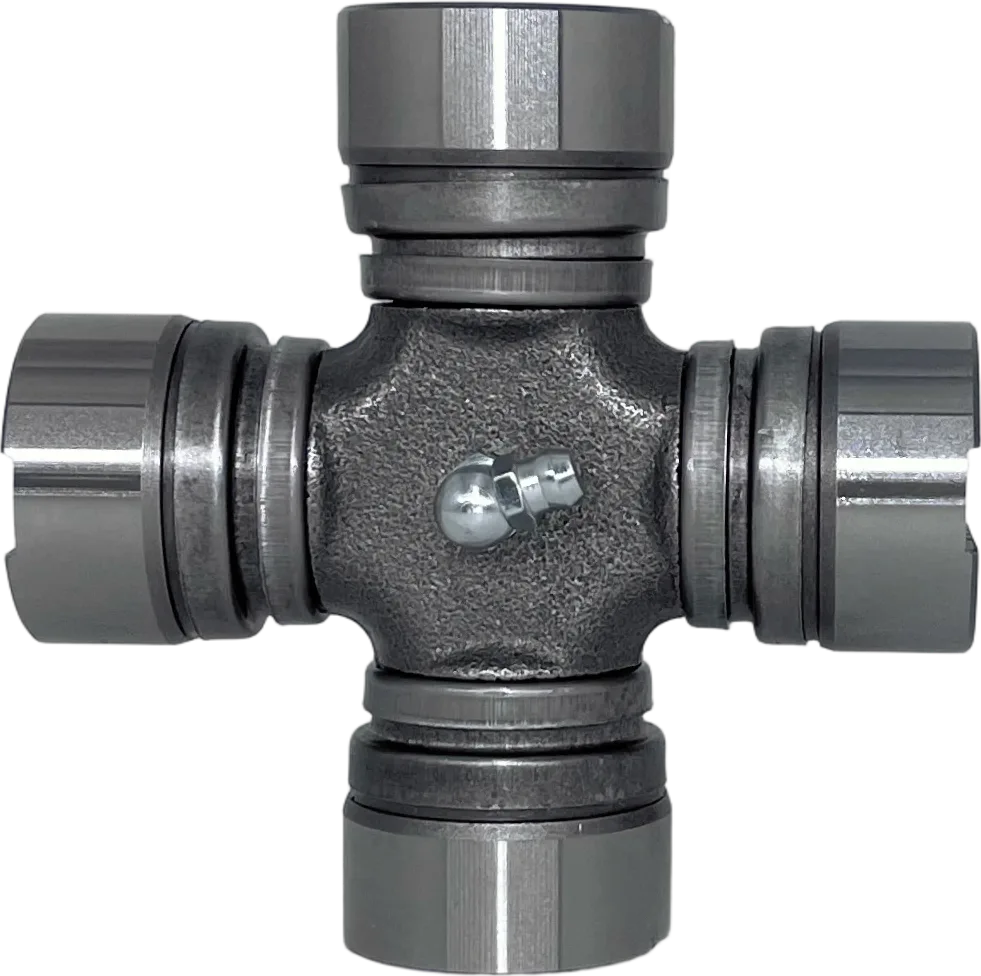
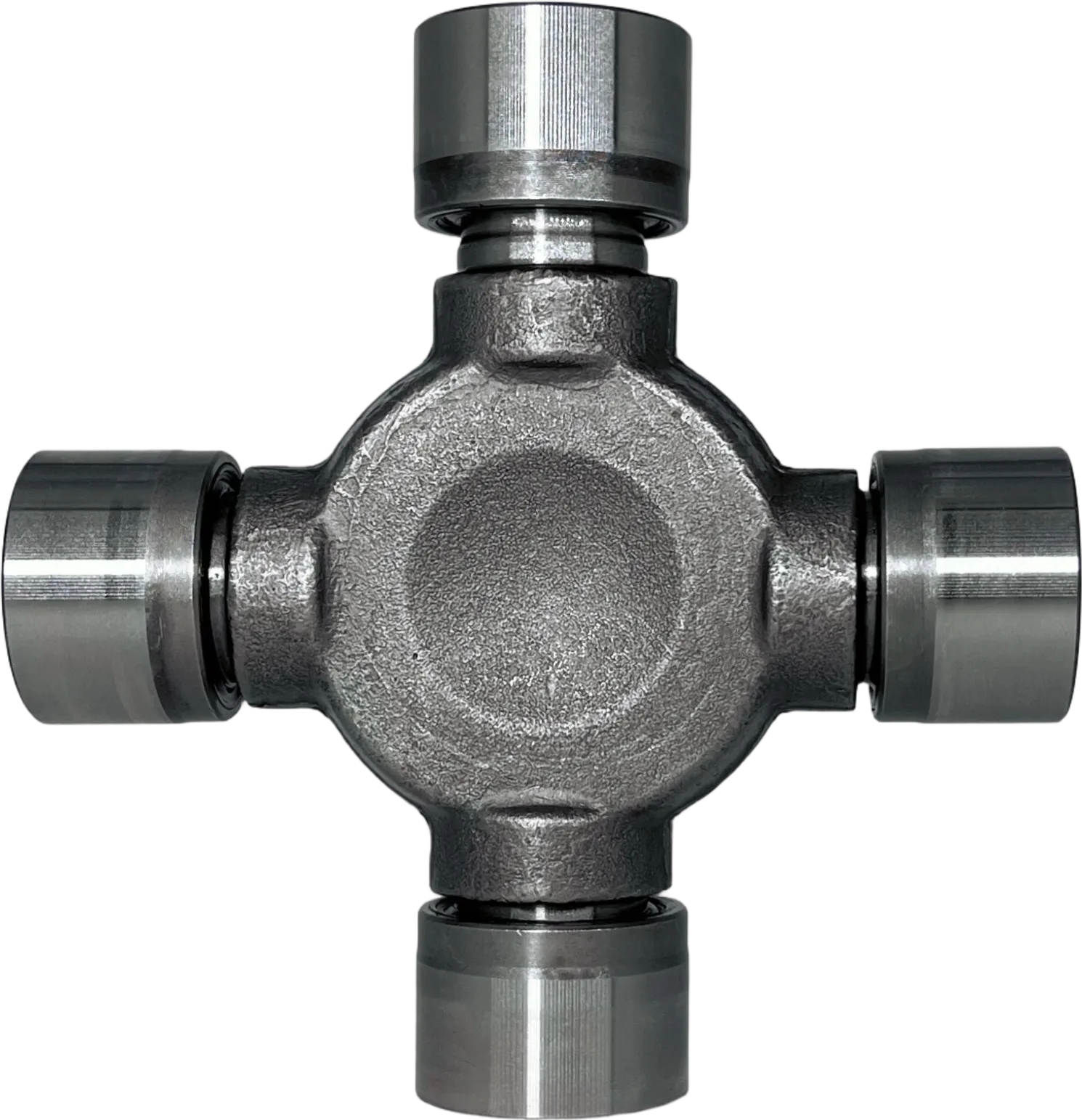
LQ3160175 Universal joint
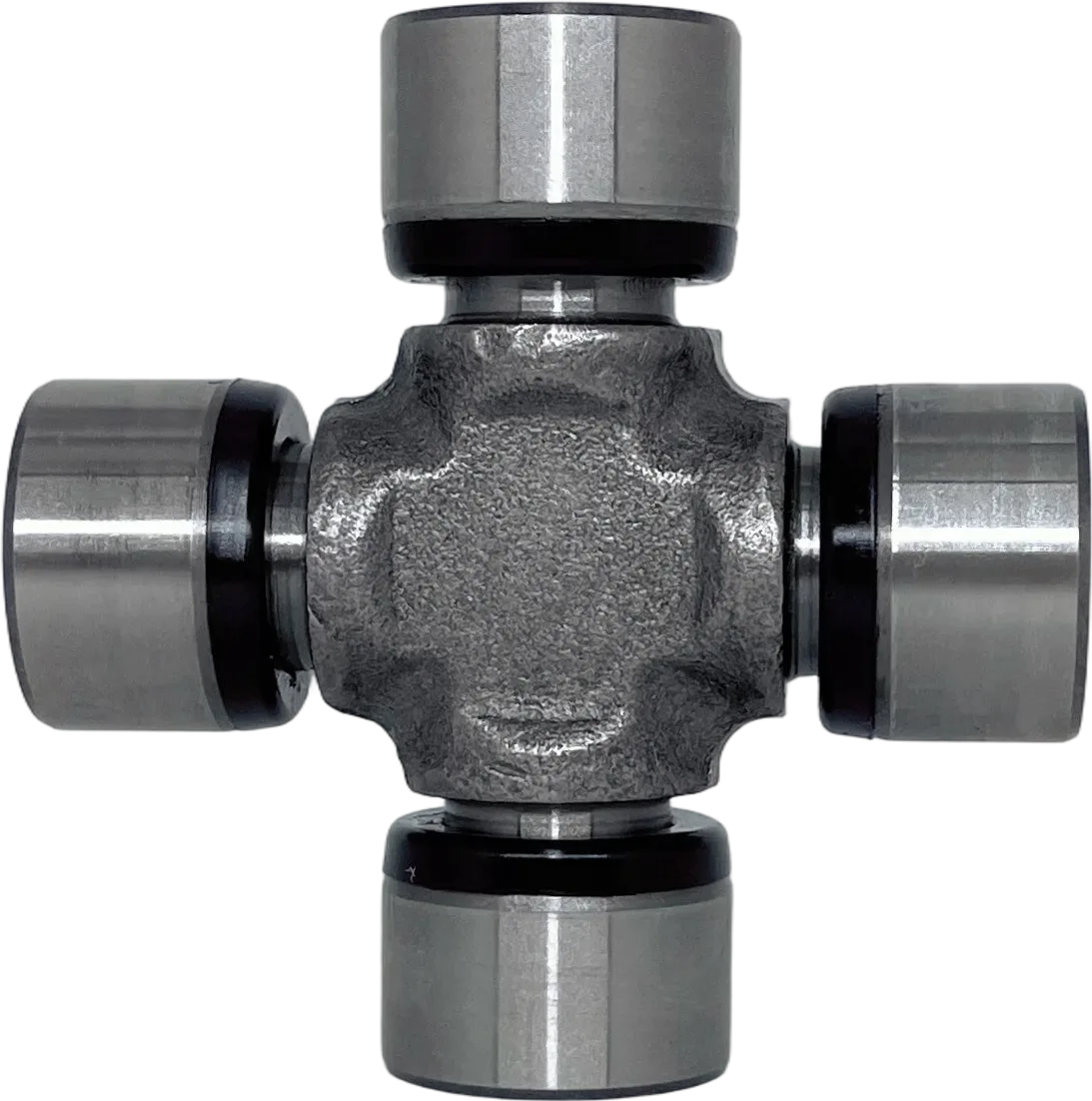
LQ1020535 Universal joint
LQ1020468 Universal joint
Do you support prototyping and small-batch production for new projects?
Absolutely. We are glad to support customers in new product development. We offer flexible small-batch customization services for sample validation, testing, and pilot production — ensuring a smooth transition from design to mass production.
What is your production process if we provide our own design drawings?
Once we receive your drawings, our technical team will quickly evaluate them and provide a feasibility analysis along with a quotation. Upon order confirmation, we will manufacture strictly according to your specifications and keep you updated at key production stages to ensure the final product fully meets your design requirements.
What is your minimum order quantity (MOQ)?
As an OEM manufacturer, we are highly flexible and have no strict MOQ requirement. We understand that each project has different needs — from small quantities for prototype testing to large-scale production orders — and we can adjust accordingly to support your specific requirements.
Do bulk orders come with price or lead-time advantages?
Yes, that’s one of our key strengths. Through large-scale production and optimized scheduling, bulk orders benefit from more competitive unit prices and faster, more stable delivery timelines.
Can you help improve or redesign our existing products?
Yes, we can. We are not only a manufacturer but also your technical partner. With years of expertise in universal joint engineering, we can provide material, process, or structural optimization suggestions to enhance performance, extend service life, or reduce costs.
From large-scale production to tailored parts, LIQUN is here to support your needs.