

Fatigue test
The fatigue test is designed to evaluate its ability to resist fatigue failure under alternating loads.
Pre-Test Preparation
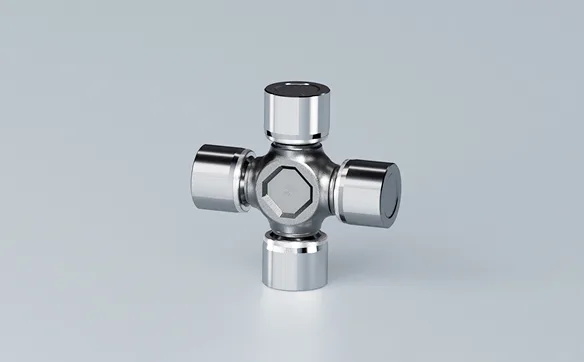
Conduct finite element static analysis to locate the regions on the cross shaft experiencing the highest stress.
Collect the load spectrum data from real-world operating conditions of the cross shaft, providing accurate input for fatigue analysis.
Conduct needle bearing oscillation fatigue tests to determine optimal bearing curvature and contact pressure distribution.
This analysis helps optimize contact pressure and significantly improve fatigue life.
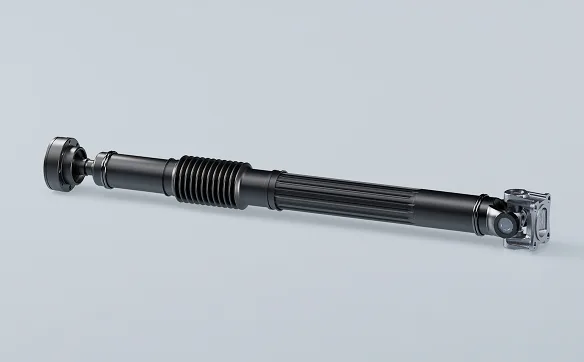
Perform torsional fatigue tests on the entire drive shaft assembly to evaluate performance under alternating torque conditions.
Apply sinusoidal cyclic loads at various torque levels to simulate real-world operational stresses and assess durability.
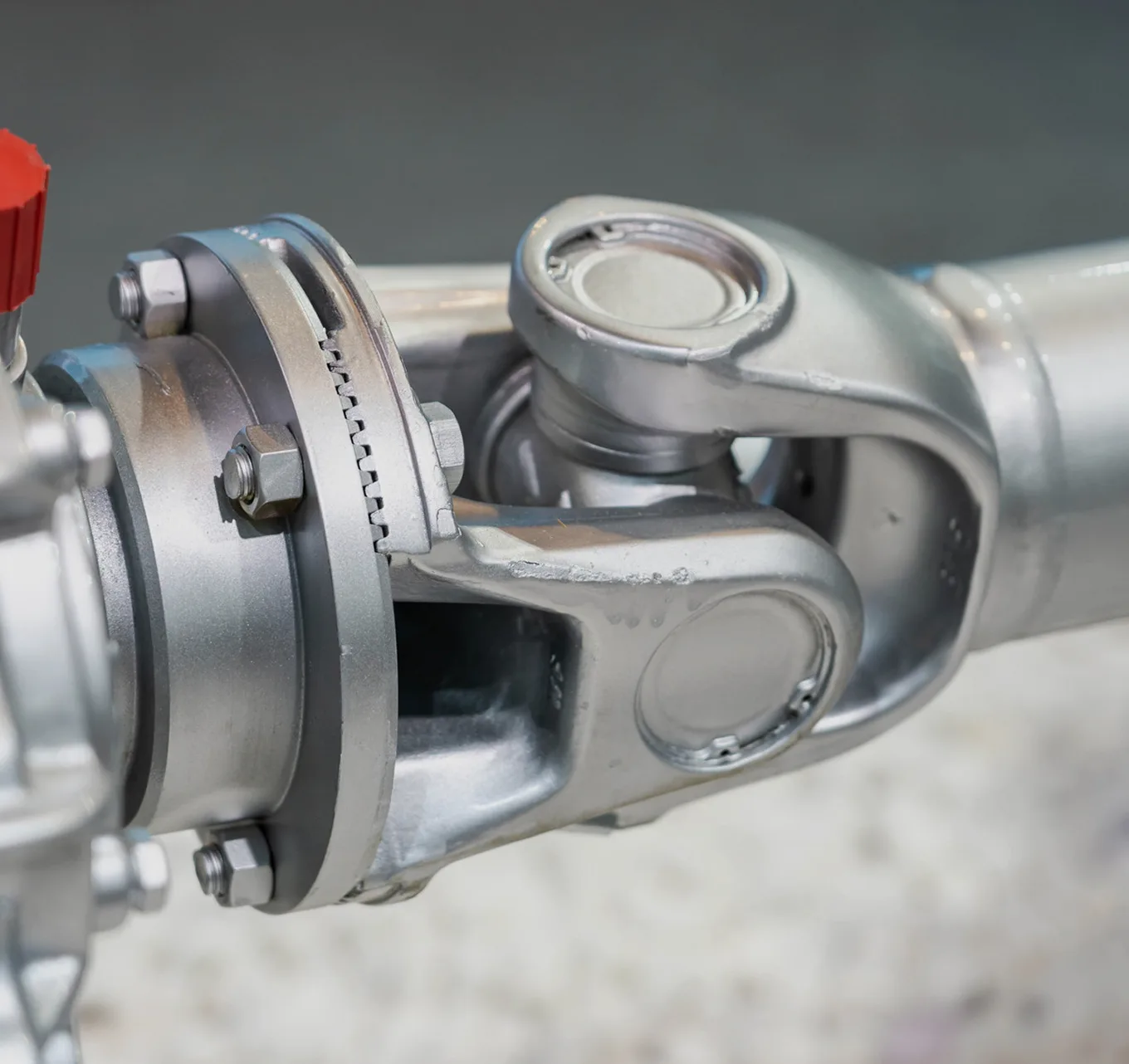
Static Torsion Test
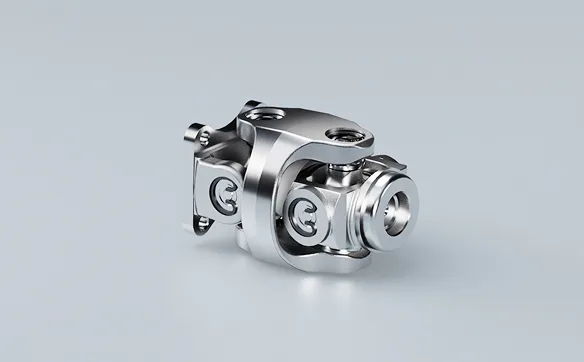
This test assesses the ultimate load capacity, torsional stiffness, and failure modes of the universal joint under static torque conditions.
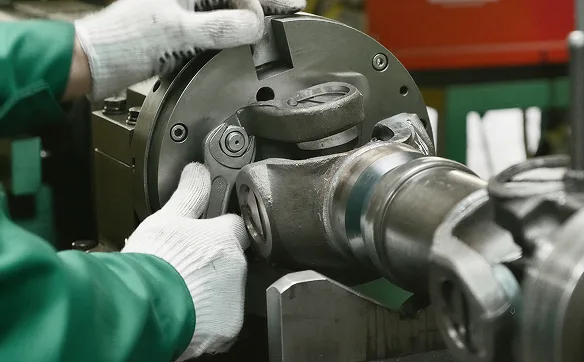
The universal joint is mounted on a torsion testing bench according to standard reference planes, simulating its actual operational connection. Initial inspections ensure proper alignment and installation.
The joint is tested within its elastic deformation range to evaluate its ability to resist torsional deformation, measuring the stiffness under applied torque.
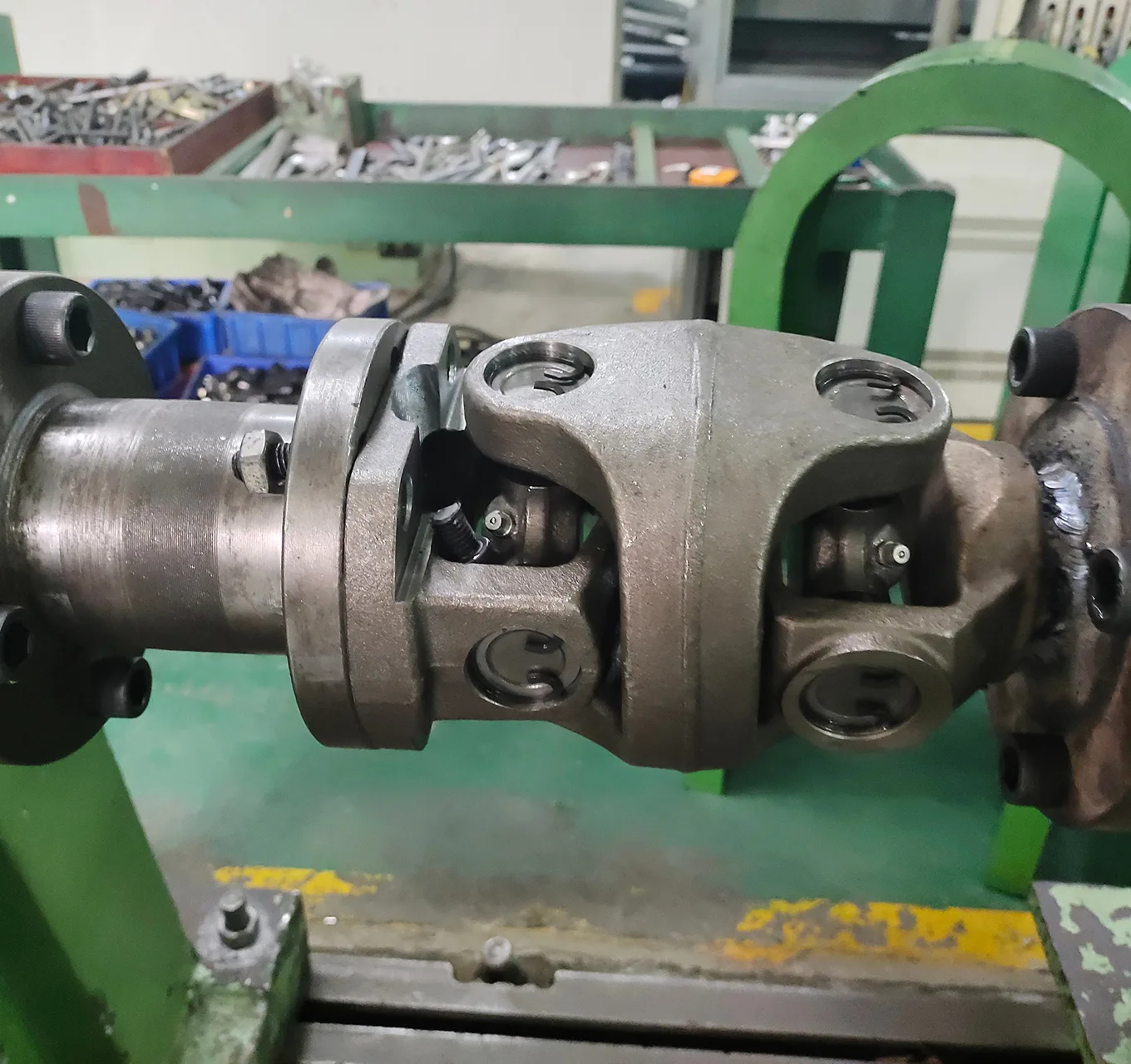
Metallographic test
Metallographic testing is a key method for analyzing the internal material structure and potential defects of universal joints.
Representative specimens are selected from the material or component for testing.
Specimens are ground to produce a flat, even surface and remove any deformation caused by cutting.
The microstructure is carefully examined to assess quality and identify any potential material defects.
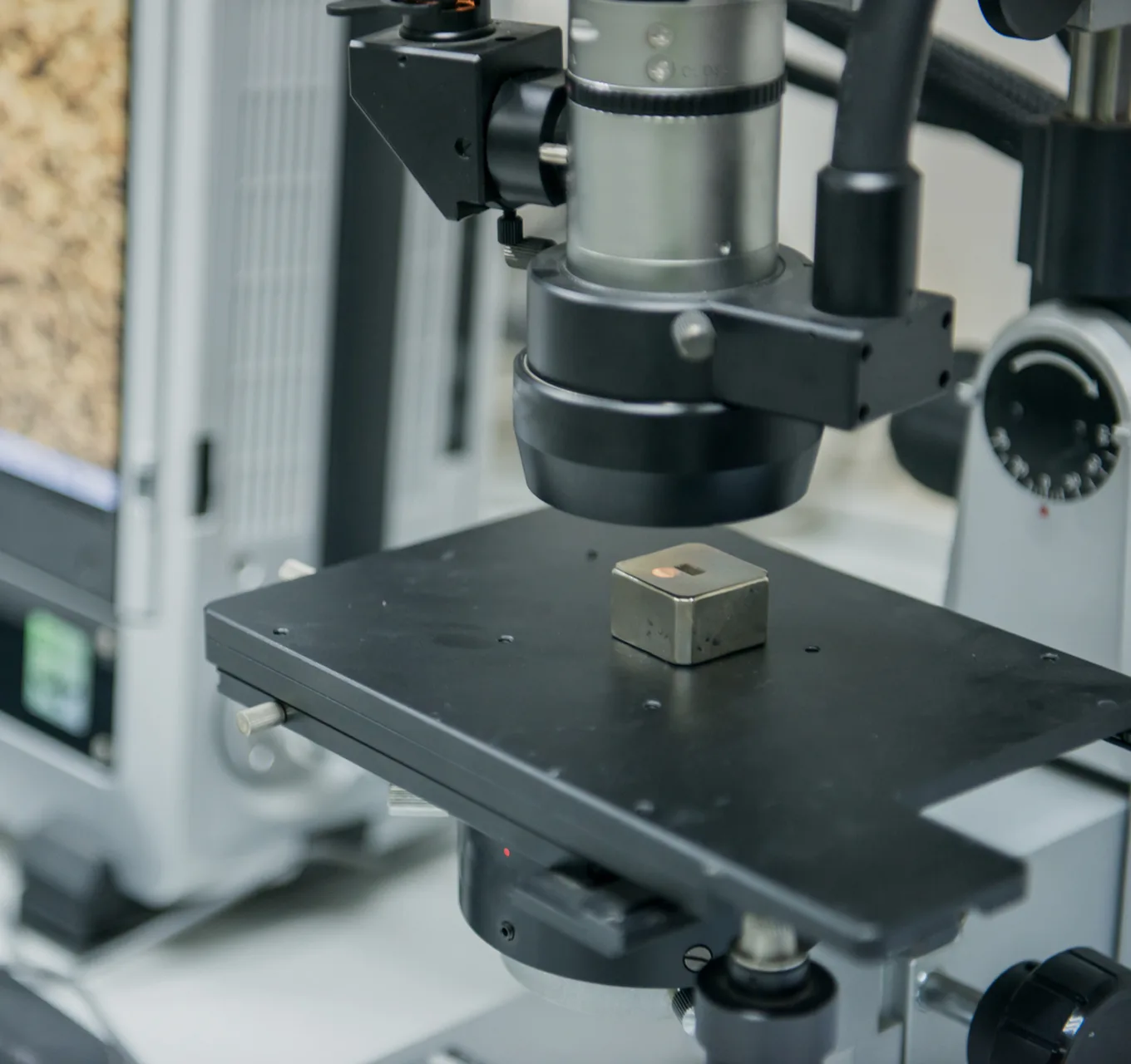
Mud Test
The mud test evaluates the sealing performance and durability of the universal joint under harsh mud and water conditions.
A standard mud mixture is prepared, and the universal joint assembly is installed on the testing rig to simulate actual operating conditions.
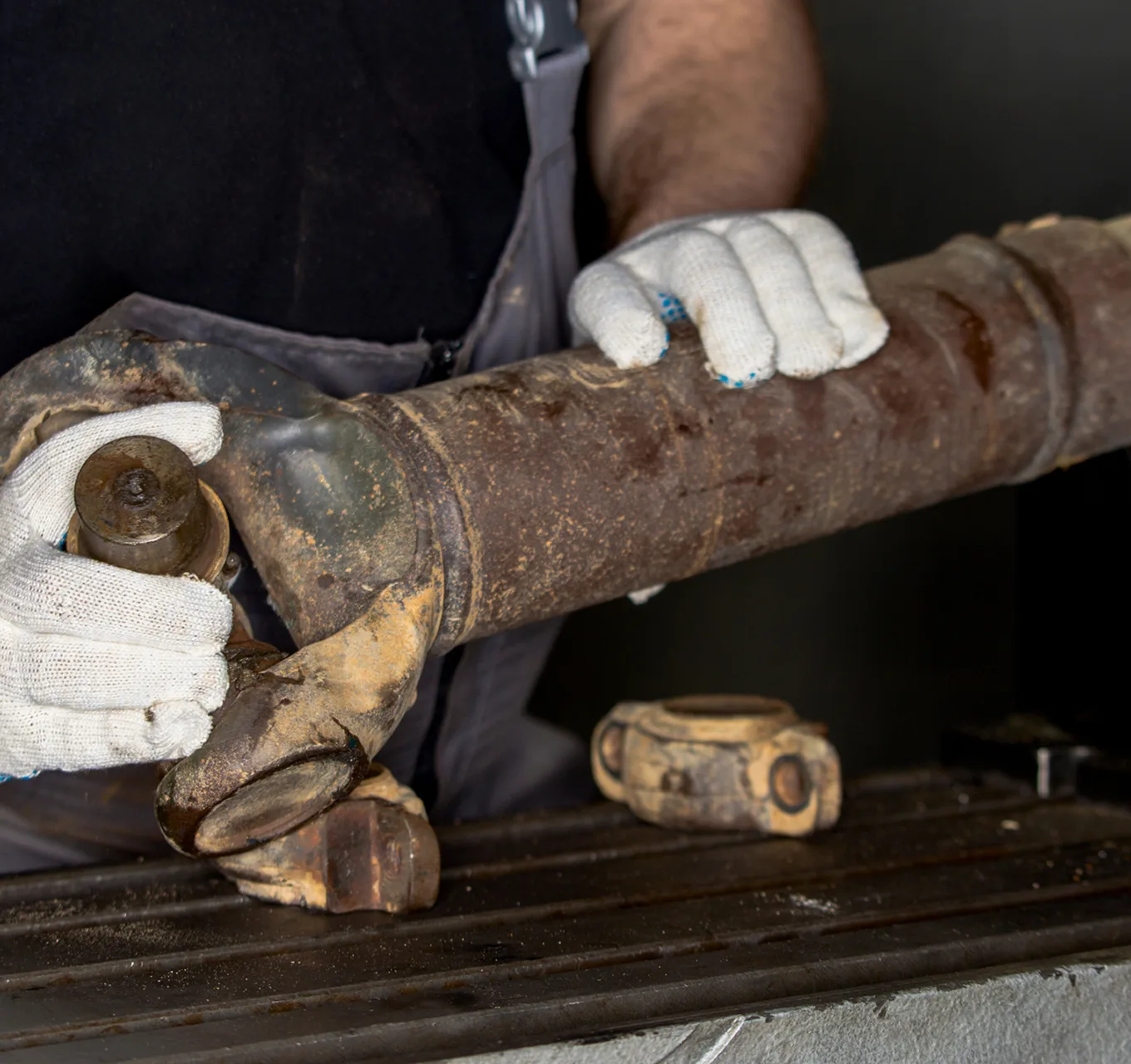
From large-scale production to tailored parts, Liqun is here to support your needs.
View Categories